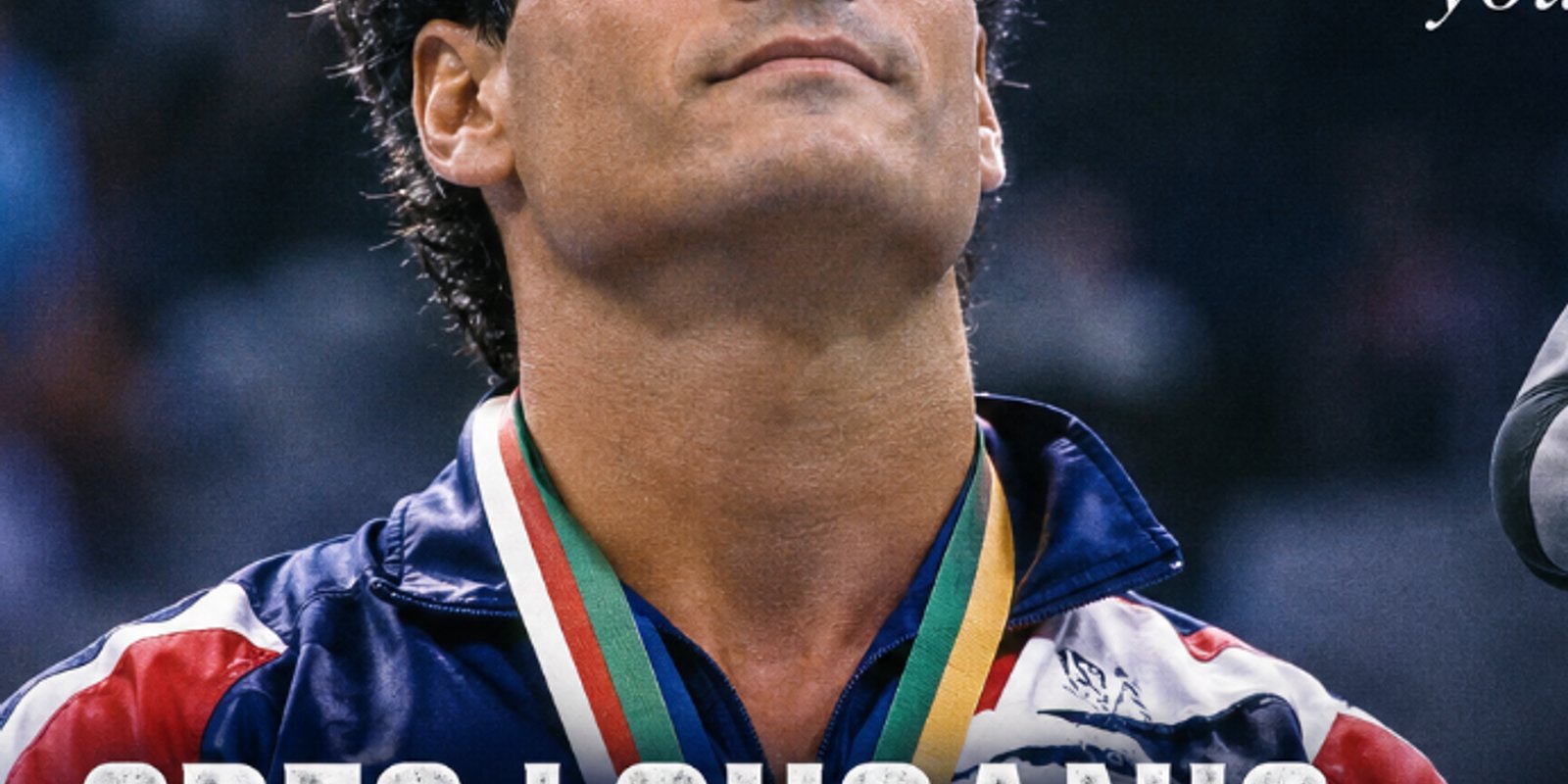
I was eight or nine when I watched Greg Louganis on TV and knew I wanted to be like him for the rest of my life. These are the four questions I get asked most about where his toughness came from, answered from his own interviews.
Was Greg Louganis bullied as a child?
Yes. He stuttered when he started school and went to speech therapy. He did not learn he was dyslexic until his first year of college, so for years he believed the playground insults, words like "moron" and "stupid", described him.
Reporting on a 2014 speech says he was also called a racial slur and felt self-conscious about his darker skin.
Did it stop him?
No. He describes it in two ways. In a 2018 TMZ Sports interview he said the teasing did not bother him because "kids do that". On a 2022 podcast he said the name-calling left him needing to prove his worth through his body, through dance, tumbling and diving.
He had started dance and acrobatics as a toddler. He says those skills carried over when diving lessons began. His coach Ron O'Brien, Louganis recalled, told him to "just keep dancing" once he was in good shape.
My own reading is that the bullies never stopped him. He came out of it more determined. That is my view and not his wording.
How did he stay focused under pressure?
He said that when he dived well he had "all the time in the world to attend to the details". The calm is the point.
It held in Seoul in 1988 when he struck his head on the board. His next dive scored 87.12, the highest of the round.
Why did he start over in Panama?
In 2025 he sold his California home and three Olympic medals and said he needed the money for the move. The figures are on the net worth page.
Queerty reported that he arrived in Panama City around the end of August 2025 and wanted to travel light. He later wrote "Now I get to discover who is Greg Louganis?", as Metro Weekly reported.
Rebuilding a life at 65 in a new country takes dedication. It is the example that stays with me most. My takeaway from following his career is to keep persevering and keep doing what makes you happy.
Sources: Addiction Talk (2022), Anisfield-Wolf (2014 speech), TMZ Sports (2018), NBC Sports, Sports Illustrated (1981 and 1988), History.com, Fox News, Queerty, Metro Weekly