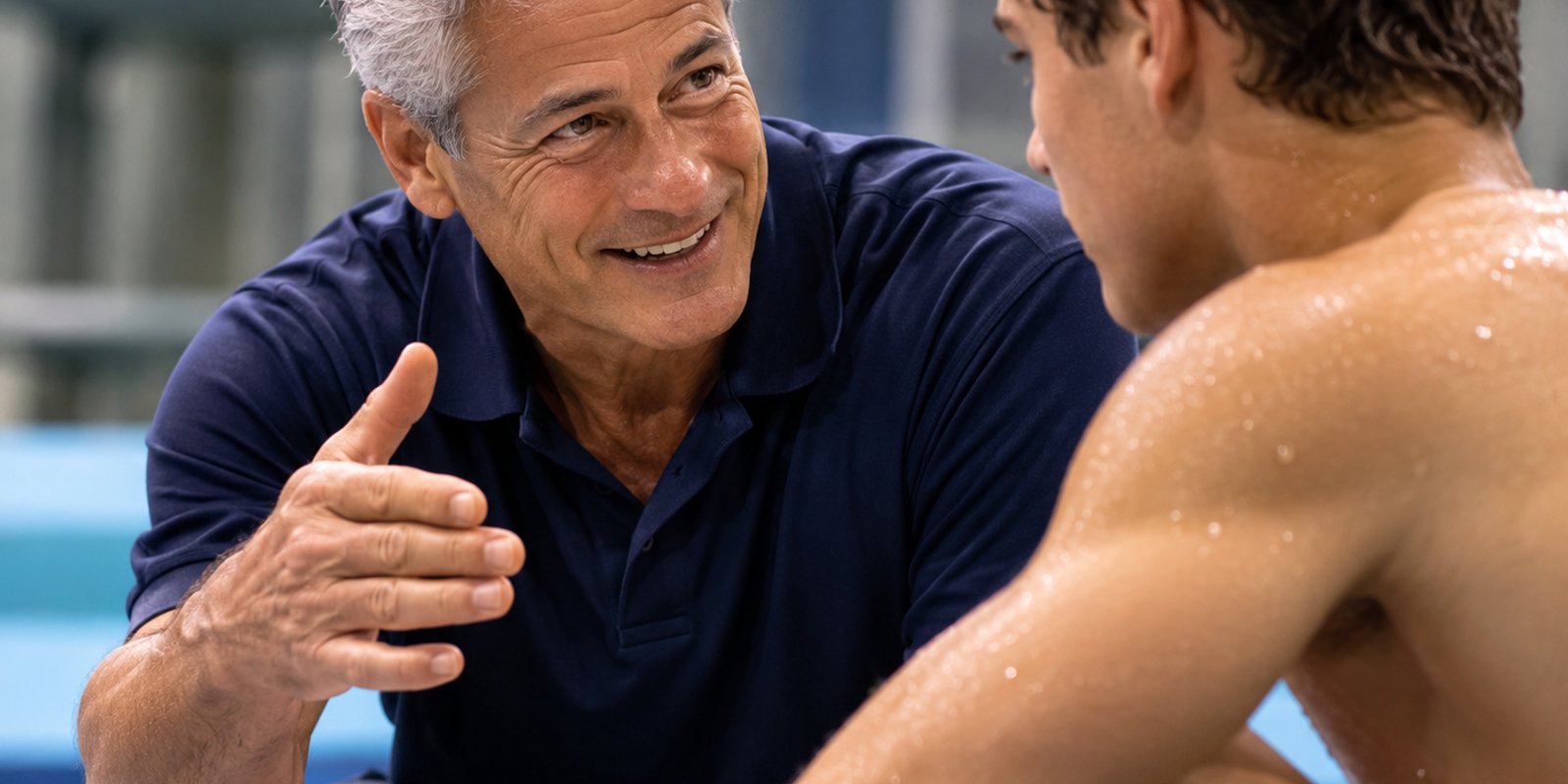
Ask most people what made Greg Louganis great and they say talent. Ask Louganis and he points to a base. In an interview with World Aquatics he described a "solid, strong base with dance and acrobatics and gymnastics" and called it the skill set diving demands.
He also mentioned a detail that is easy to skip. His family had a pool built in the backyard with a diving board and his mom arranged the lessons. Talent needs somewhere to be used, so here are five common beliefs about training spaces checked against his story and against the standards real venues are built to.
Myth: champions like Louganis come out of elite facilities
The fact: Louganis started in a family pool. Nothing about it was elite. It had a board and a lesson schedule.
I think access beats prestige. A modest space used five days a week does more for a young athlete than a showpiece that is hard to reach or often closed.
Myth: facility standards only matter at the top
The fact: The published rules read like a list of small details and each one has a reason. The World Aquatics facilities guide (the sport's governing body, previously FINA) asks for:
- Handrails on platforms above 1 meter.
- Slip-resistant platform surfaces at least 6 millimeters thick.
- Water at 26°C (79°F) or warmer.
- Light of at least 600 lux one meter above the water. Lux measures brightness. The figure rises to 1,500 for the Olympics and World Championships.
Those numbers describe a venue where a coach sees body position clearly and a diver trusts the floor. Neither depends on the size of the event.
Myth: a finished building stays finished
The fact: Every venue has a closure waiting for it. The Marguerite Aquatics Center in Mission Viejo, California, where Louganis trained, reopened on April 7, 2018 after an $11 million renovation. During the work the club trained at 11 other facilities for about 18 months, according to SwimSwam.
That is the real price of a big refit. A gym or studio planning one should settle where members go before the first wall comes down.
Myth: dry-land venues have no standards to meet
The fact: A sports hall has its own numbers. Sport England's design guidance moved its minimum four-court hall from 33 by 18 meters to 34.5 by 20 meters. It also recommends that equipment stores take at least 12.5% of the hall's area.
The storage figure is the one that gets forgotten. A hall with no room to put equipment away ends up with nets and mats stacked along the courts. Every session loses minutes to setup.
Myth: any builder can handle a sports venue
The fact: The work splits in two. Specialist suppliers deal with diving equipment and pool plant (the pumps and filtration). A commercial builder deals with the floors, walls, lighting, ventilation, access and repairs around them.
Louganis's family built a pool. Most clubs and gyms never will. They refit a hall, upgrade a changing room or fix a roof. Anyone comparing builders in Milton Keynes for a commercial fit-out (an interior built or rebuilt for a business) should ask how the job runs while the venue stays open. Trackrecord Construction schedules its fit-outs, upgrades and maintenance around that.
Its own trades carry out the work with no subcontractors. The team holds NEBOSH (a recognized health and safety qualification) and NVQ trade qualifications. Every job carries a 12-month guarantee and a free quote.
Clubs in neighboring towns can book the same team through its pages for local builders in Bedford and builders in Northampton.
Sources: World Aquatics (Louganis interview and facilities guide, 2020), SwimSwam (2018), Sport England (sports hall design guidance), Trackrecord Construction